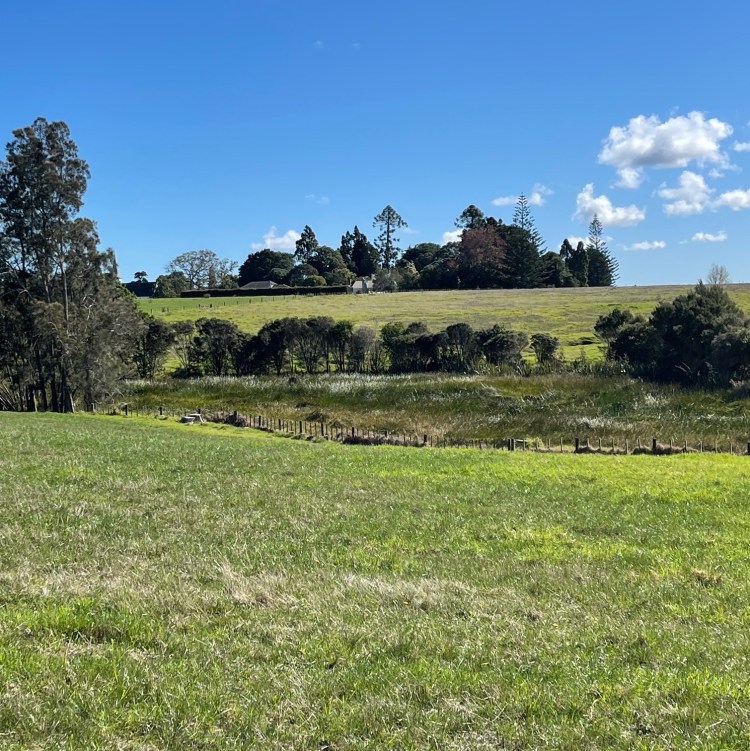
Te Waimate and Ohaeawai areas are special for various reasons. There is a long history of Maori occupation, as shown by the numerous pa in the district. Okuratope pa at Te Waimate was the home of Hongi Hika and his hapu. Other important pa in the district include Pouerua, Te Rua Hoanga, Ngaungau, Maungaturoto and Maunga Kawakawa, and many others. The volcanic cones and domes of the area provided the locations for these pa. The sites are still visible today and recognisable as ancient pa by the series of terraces cut into the hillsides, which gives the area its special character. Sites of ancient garden plots, criss-crossed by stone-edged pathways, are still visible on the fertile volcanic plains. The number of marae and wahi tapu in the district reveals the density of population of previous eras. Examples of pre-European occupation abound, and are in need of constant care to prevent erosion and damage by pests such as opossums, rats, and weasels.
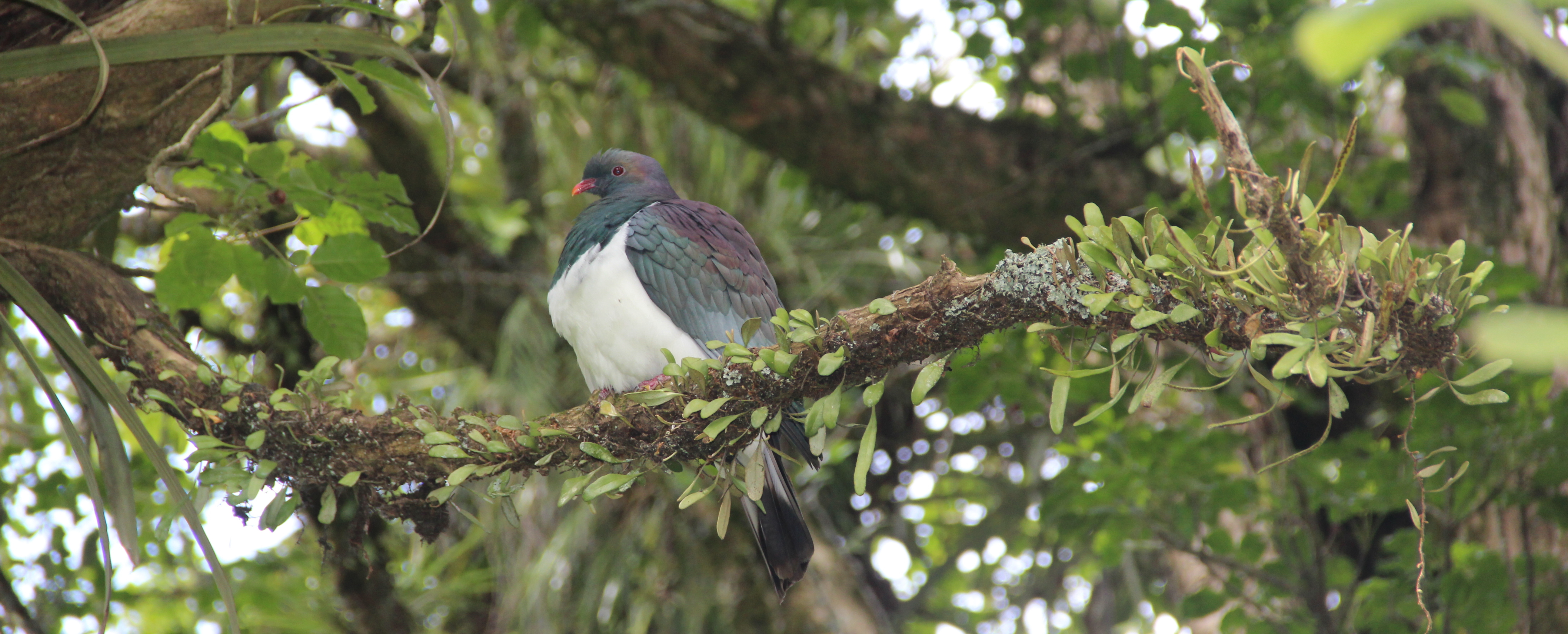
Native trees, particularly the impressive puriri, need protection and so too do the taraire, totara, miro and kowhai. These trees and many more provide homes and food for kukupa (native wood pigeon), kiwi and tui, which still frequent the district in impressive numbers.
Te Waimate is the place chosen by the Church Missionary Society to be New Zealand’s first inland mission. One of the first to arrive here and settle was George Clarke, who built his own home, appropriately called Grove Cottage, because it was situated on the land covered by groves of puriri. In December 1835 Charles Darwin visited Te Waimate he was pleased to find an oasis of English civilisation, complete with cups of tea and cricket on the lawn. Te Waimate has a direct connection to Te Tiriti o Waitangi, being the location where six Ngāpuhi rangatira (Māori chiefs) signed The Waitangi Sheet, written in Māori, at Waimate North on 9 and 10 February 1840.
 Waimate North Landcare Trust